Post-Pandemic Office Disinfection Trends You Need to Know


The COVID-19 pandemic has fundamentally changed the way we approach cleanliness in the workplace. As businesses transition back to in-person operations, maintaining a clean and safe environment is a top priority. Understanding the latest trends in office disinfection is crucial for ensuring the health and safety of employees and visitors.
Enhanced Cleaning Protocols
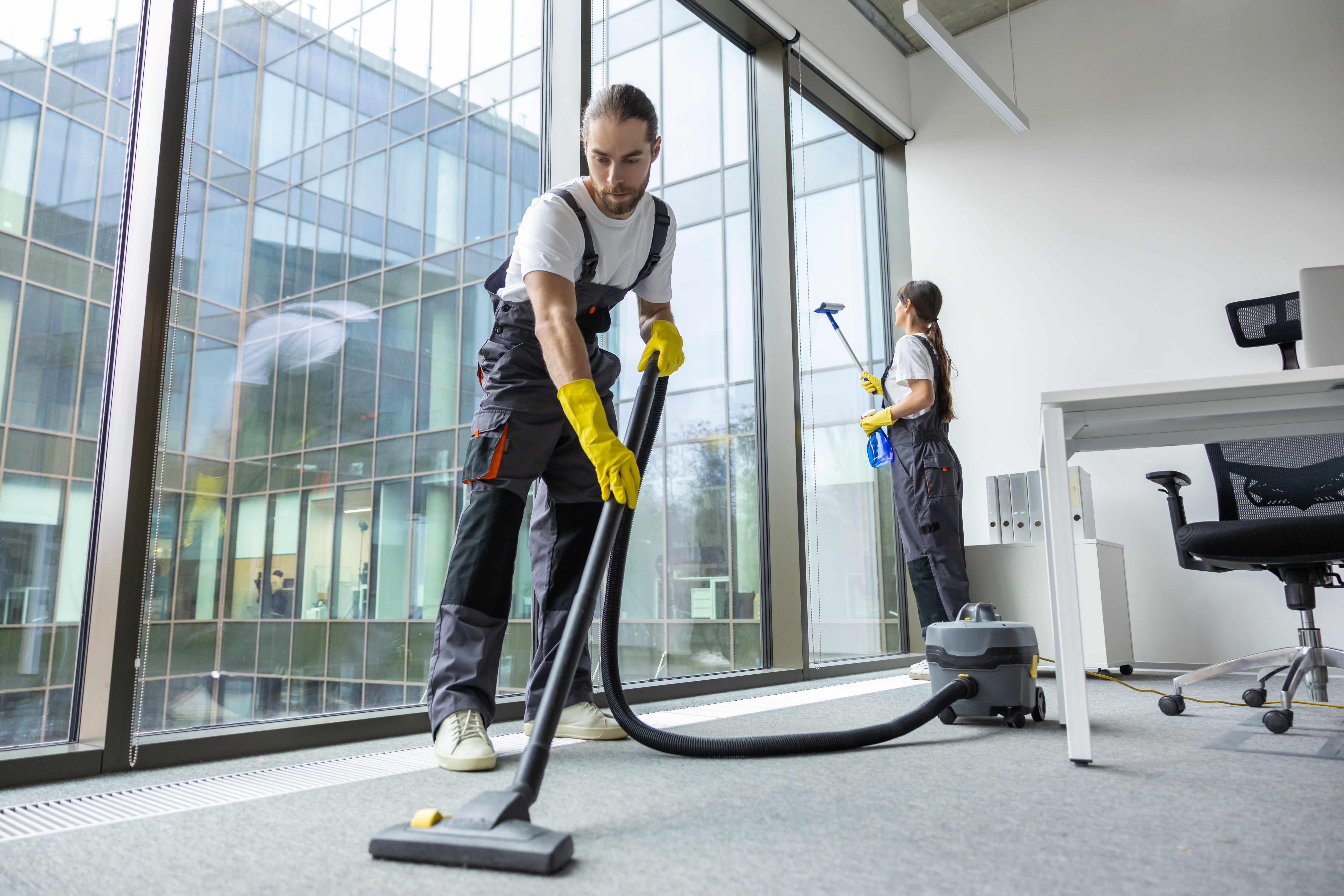
One of the most significant shifts is the introduction of enhanced cleaning protocols. Offices are now implementing daily disinfection routines to target high-touch surfaces such as door handles, light switches, and communal equipment. These protocols are often documented and shared with employees to ensure transparency and compliance.
Additionally, businesses are investing in advanced cleaning technologies, such as electrostatic sprayers and fogging machines, to ensure thorough disinfection. These tools allow for more efficient coverage and can reach areas that are difficult to clean manually.
Use of Eco-Friendly Products
With increased awareness of environmental impact, many companies are choosing eco-friendly disinfection products. These products are not only effective against viruses and bacteria but also reduce the harmful effects on the environment. Look for disinfectants that are certified by organizations such as the Environmental Protection Agency (EPA) as both safe and sustainable.
Another growing trend is the use of UV-C light technology, which offers a chemical-free method of disinfection. This technology is particularly useful in sanitizing electronic devices and other sensitive equipment.
Health and Safety Training
Effective disinfection goes hand in hand with proper training. Companies are now prioritizing health and safety training to educate employees on best practices. This includes instructions on proper hand hygiene, the use of personal protective equipment (PPE), and the correct methods for disinfection.
Regular training sessions and updates are essential to keep everyone informed about new guidelines and technologies. This proactive approach helps foster a culture of safety and responsibility within the workplace.

Flexible Workspaces and Remote Options
The pandemic has accelerated the trend towards flexible workspaces and remote work options. By reducing the number of employees in the office at any given time, companies can more easily manage cleaning and disinfection efforts. This approach also minimizes the risk of transmission, keeping the workplace safer for those who need to be on-site.
Implementing a hybrid work model can also lead to cost savings in terms of cleaning expenses, as smaller office spaces require less frequent disinfection.
Continuous Monitoring and Feedback
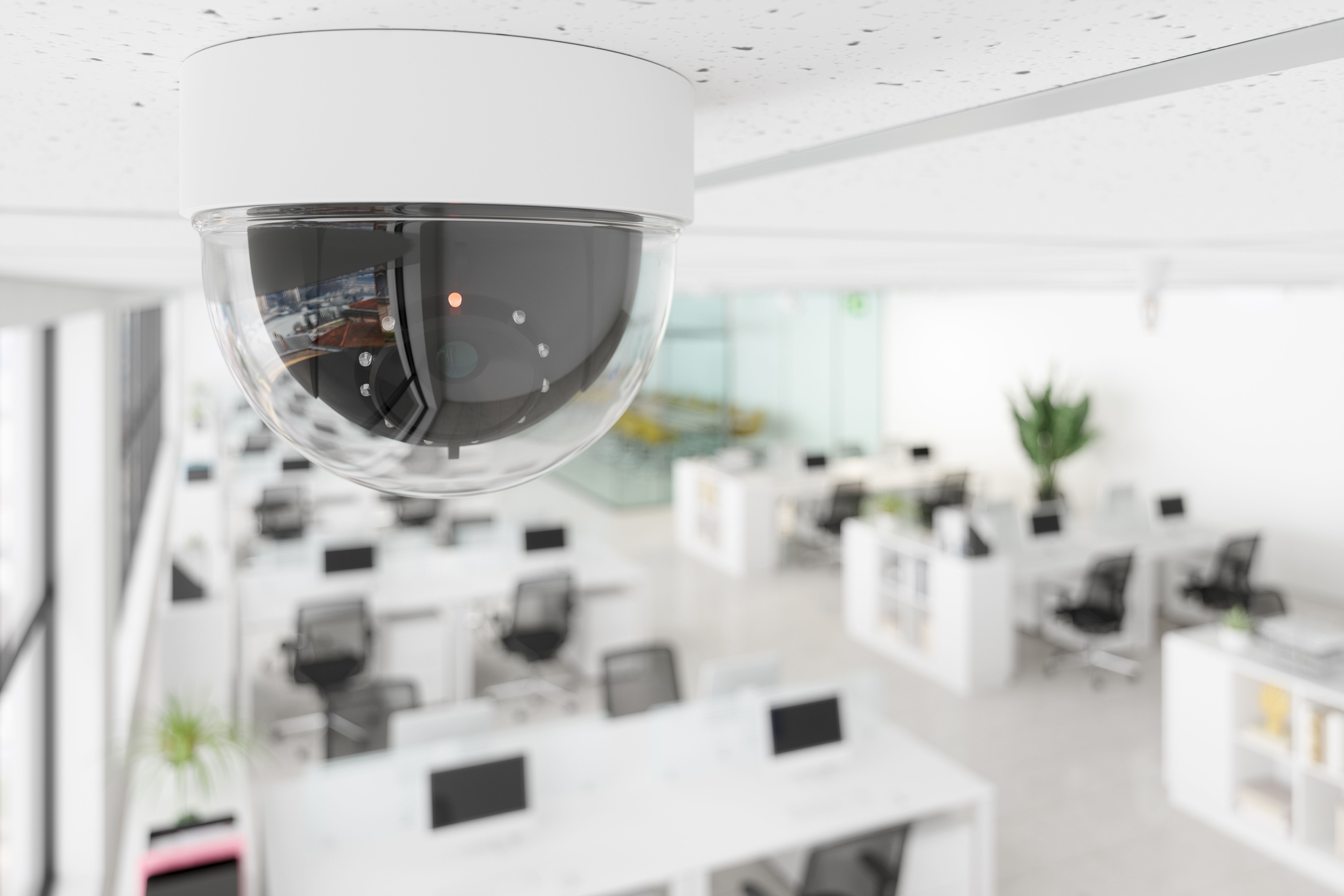
Continuous monitoring is key to maintaining high disinfection standards. Companies are utilizing smart technology, such as IoT sensors, to track cleanliness and ensure compliance with cleaning schedules. This data-driven approach allows facilities managers to identify areas that require more attention and adjust protocols as needed.
Employee feedback is another valuable tool in refining disinfection practices. Encouraging staff to report concerns or suggest improvements can lead to more effective and efficient cleaning strategies.
As we navigate the post-pandemic world, staying informed about these trends is essential for creating a safe and healthy office environment. By embracing new technologies, prioritizing training, and fostering open communication, businesses can successfully adapt to the evolving landscape of workplace disinfection.